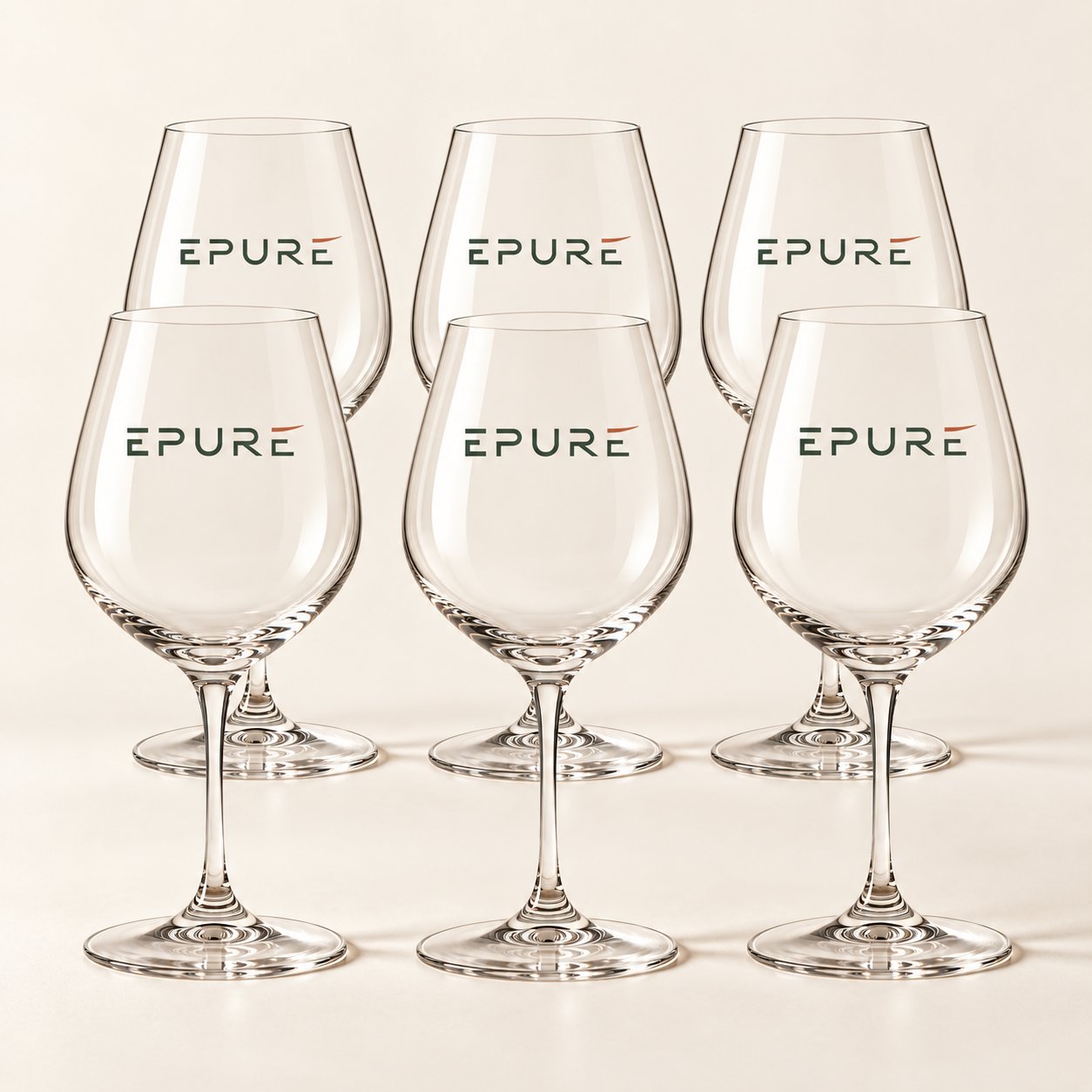
Set of six glasses
€13.99
GUIDED TOUR IN BRIGNOLES · PROVENCE VERTEBrignoles · Provence Verte
Step behind the scenes of bottling and let your guide tell you about the gestures and stories that bring wine all the way to your table. A tour to spark your curiosity and fuel the conversations around your next bottle.You have visited wine estates. You have never seen the next step, the one where wine can still be protected or permanently damaged.
YOUR DAY IN PROVENCE VERTE
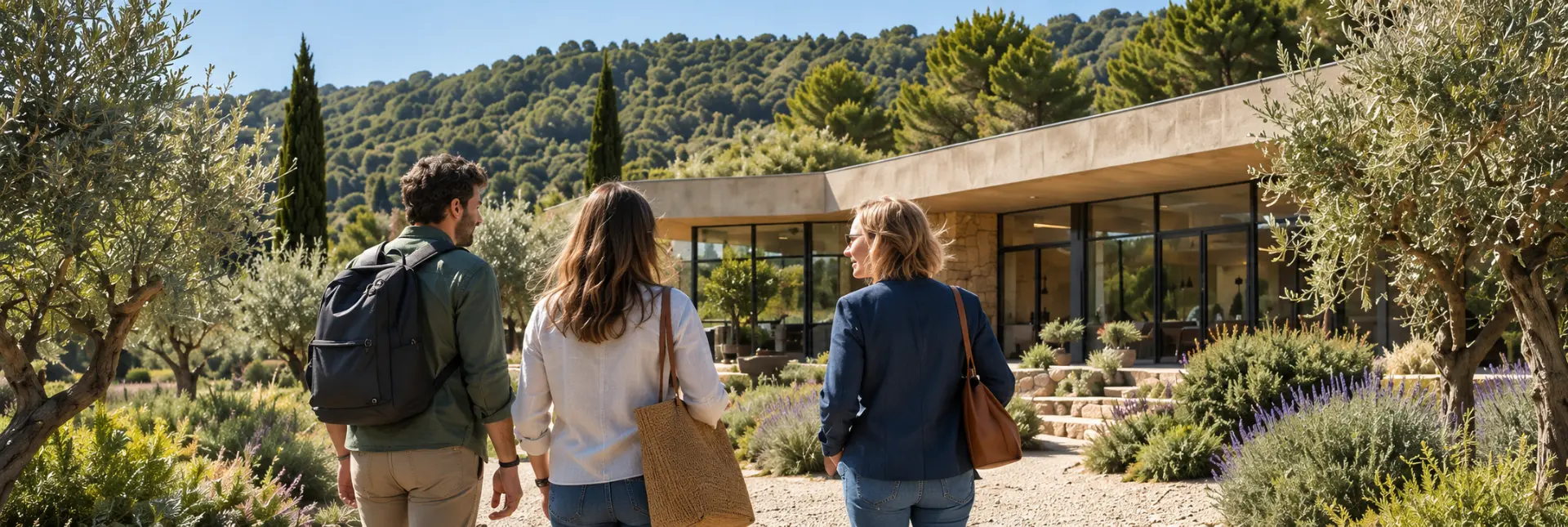
Between a stroll and a leisurely lunch, stop at Épure to discover another side of wine.
Our expertise
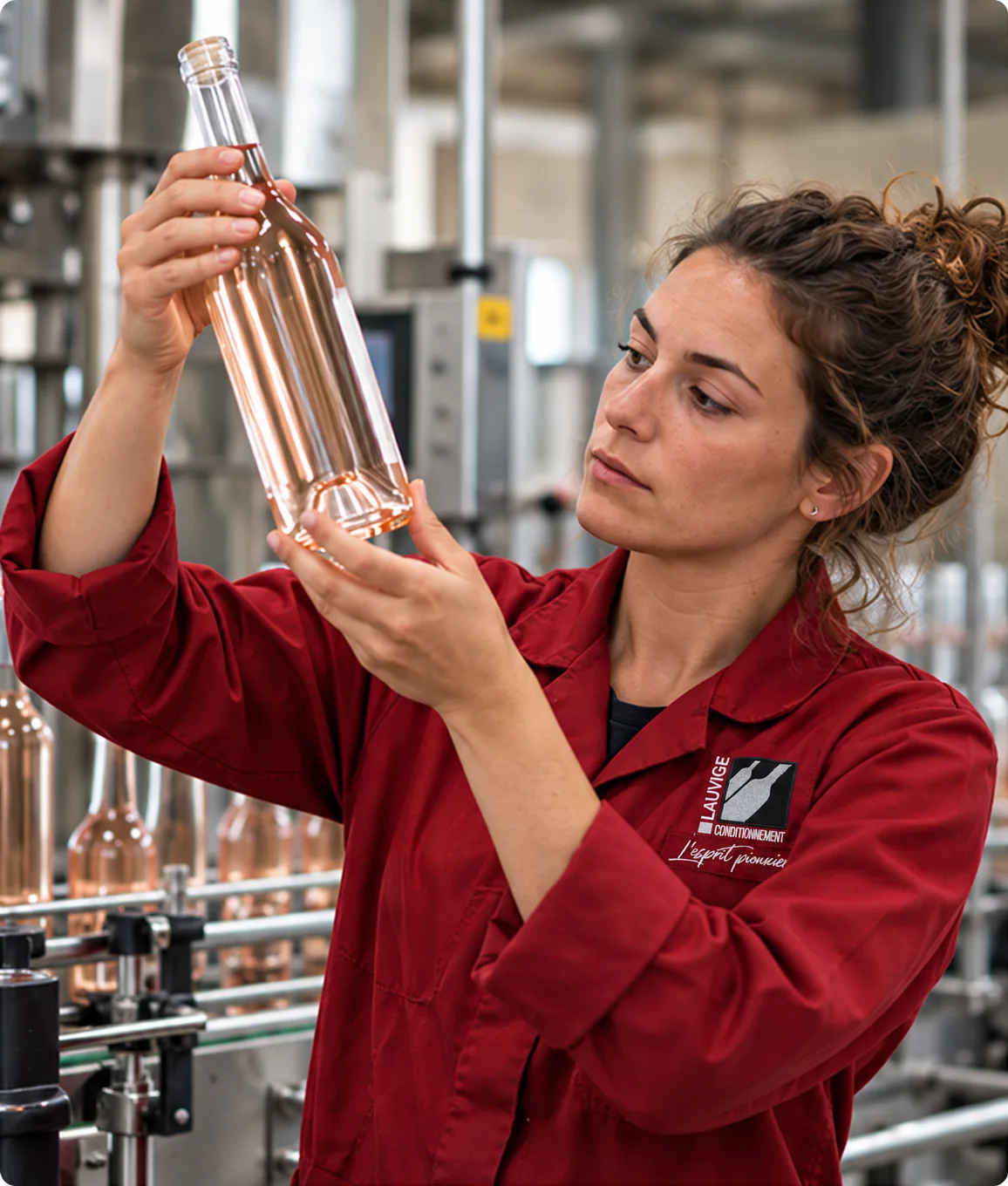
Winemakers entrust us with months of hard work. We care for their wine through the bottling process, helping preserve the character they want you to enjoy.Winegrowers entrust us with their wine. We look after it all the way to the bottle.

Our teams carefully oversee the bottling process, checking the details that help preserve the quality of each wine.Our teams check every step.

Our centre is IFS Food certified, with practices assessed by an independent certification body.IFS Food certified, audited by an independent body.

Solar power, water management and reuse: discover the practical measures in place at our centre.Solar power, water, reuse.
A taste for discovery
At Épure, many winegrowers and wine producers from the PACA region entrust their wine to our teams for bottling. Step behind the scenes of this discreet stage, where the work begun in the vineyard carries on.
01
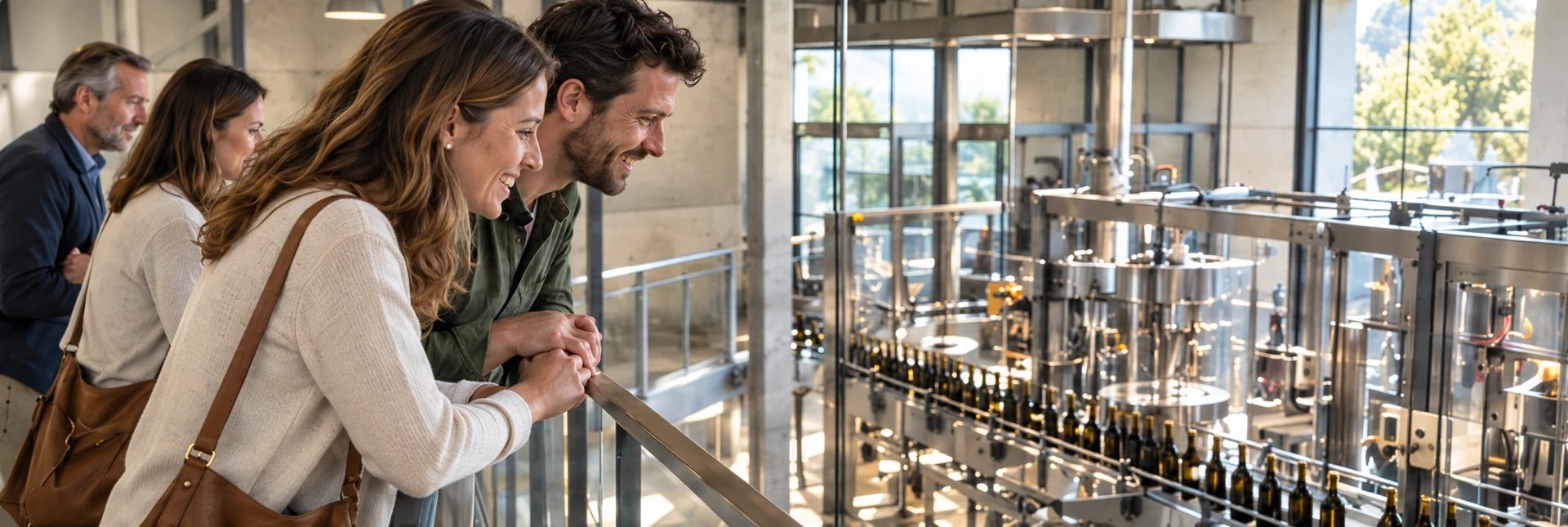
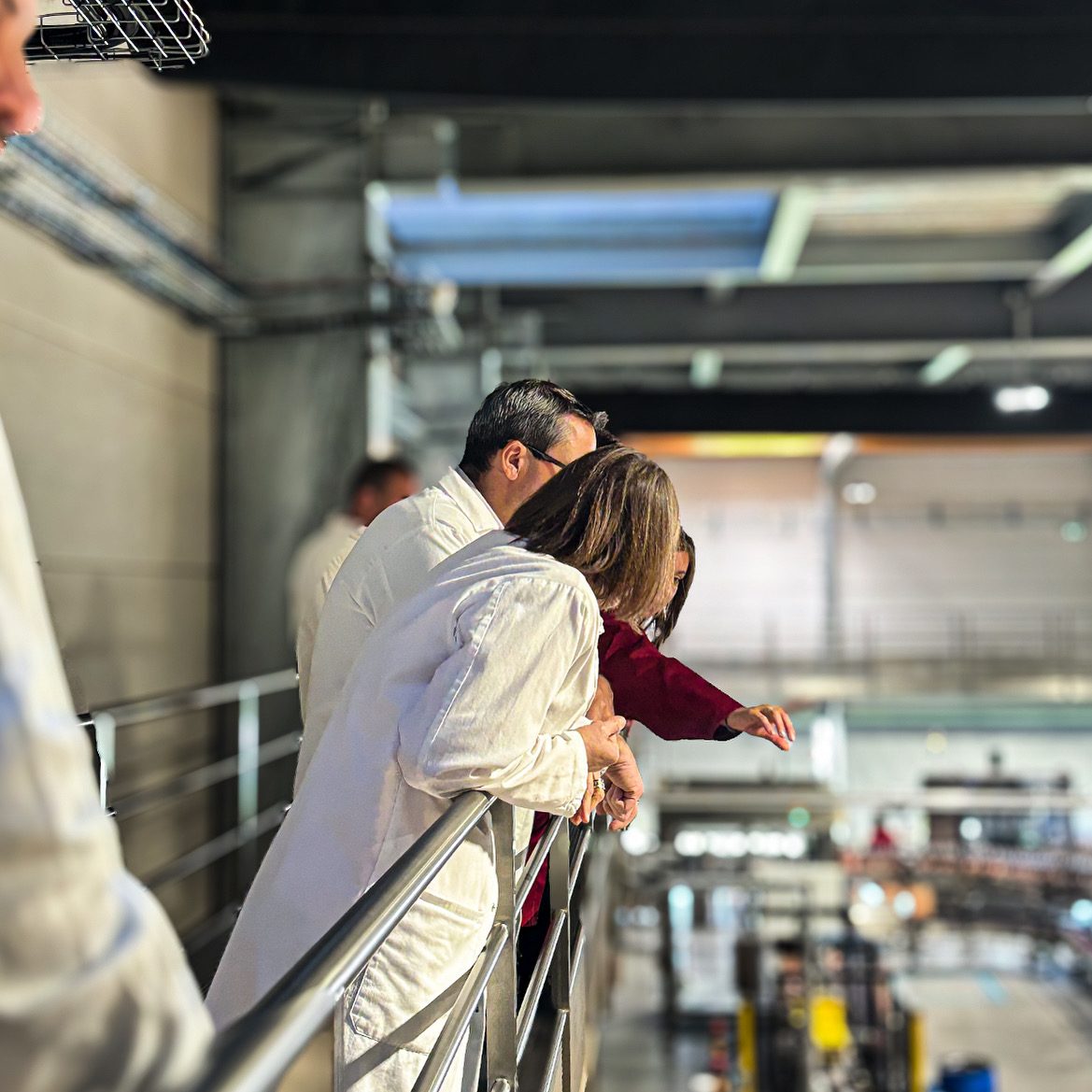
A bottle arrives at your table. But how did the wine get into it? From the walkway, follow the bottling line in operation with your guide.
02
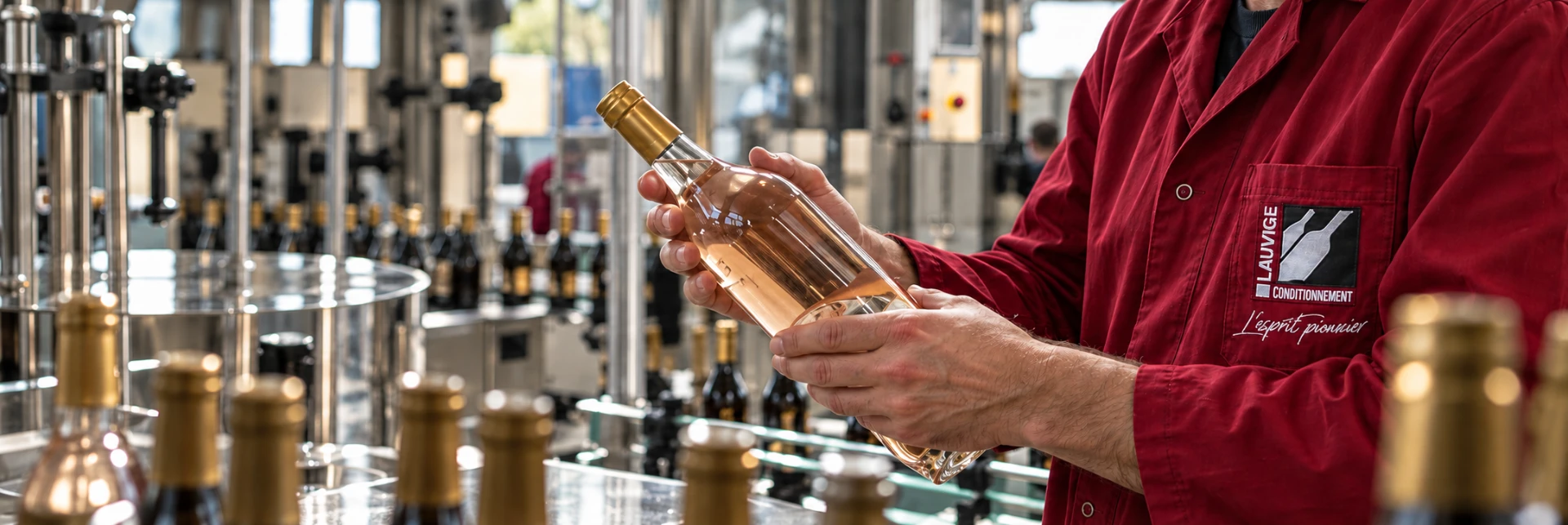
Behind every bottling run lies a winegrower's work. See how our teams take over to preserve the qualities of their wine all the way to the bottle.
03
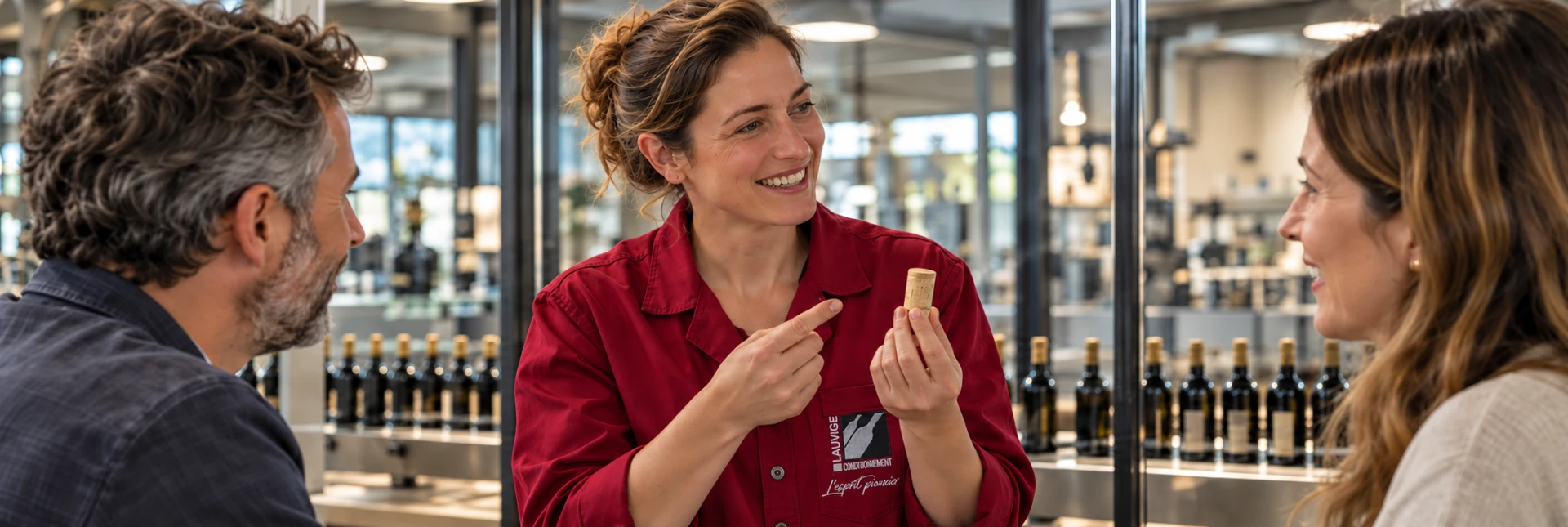
Glass, cork, oxygen: details, at first sight. Your guide reveals why they matter so much for the wine you will taste.
04
After the tour, behind this familiar gesture you will recognise trades, choices and skills you may never have thought about.
Brignoles · Provence Verte · Monday to Friday, booking required
We open the tour a few days a month, when a winemaker agrees to let their bottling be seen. Once a date is taken, it does not come back.A few days a month, with the winegrower's agreement.
Each tour is limited to 15 people.
Available times
Price incl. VAT
Leave your email address and we will write when the next dates open. Nothing else.
The Épure experience
How does wine get into the bottle? Why choose one cork over another? Your guide brings each step to life, explaining the care that goes into every bottle before it reaches your table.Your guide shows you, simply, how wine goes into the bottle.
The route
Your guide welcomes you, checks you in and checks your shoes. A working food production site has its own hygiene and safety rules: they are the team's, and they become yours for the length of the visit. Then the door opens onto something rarely shown: the last step before the wine reaches your table.
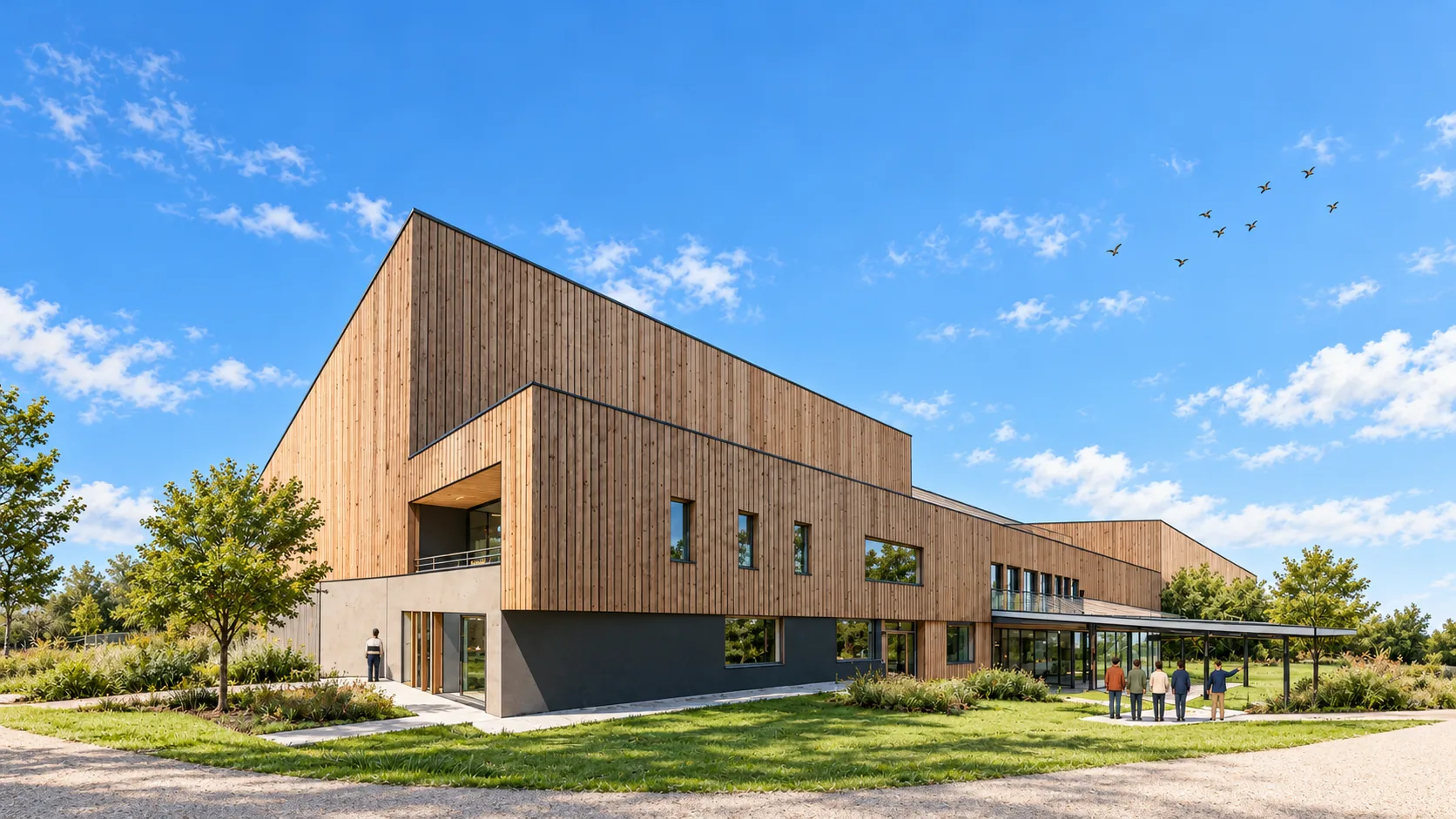
Opened in June 2022 in Brignoles, Épure was designed to be watched: a 200-metre walkway was part of the very first sketches. Your guide explains why Groupe Lauvige chose to open a bottling centre to the public, and what it means for the Provence estates that entrust their wines to it.
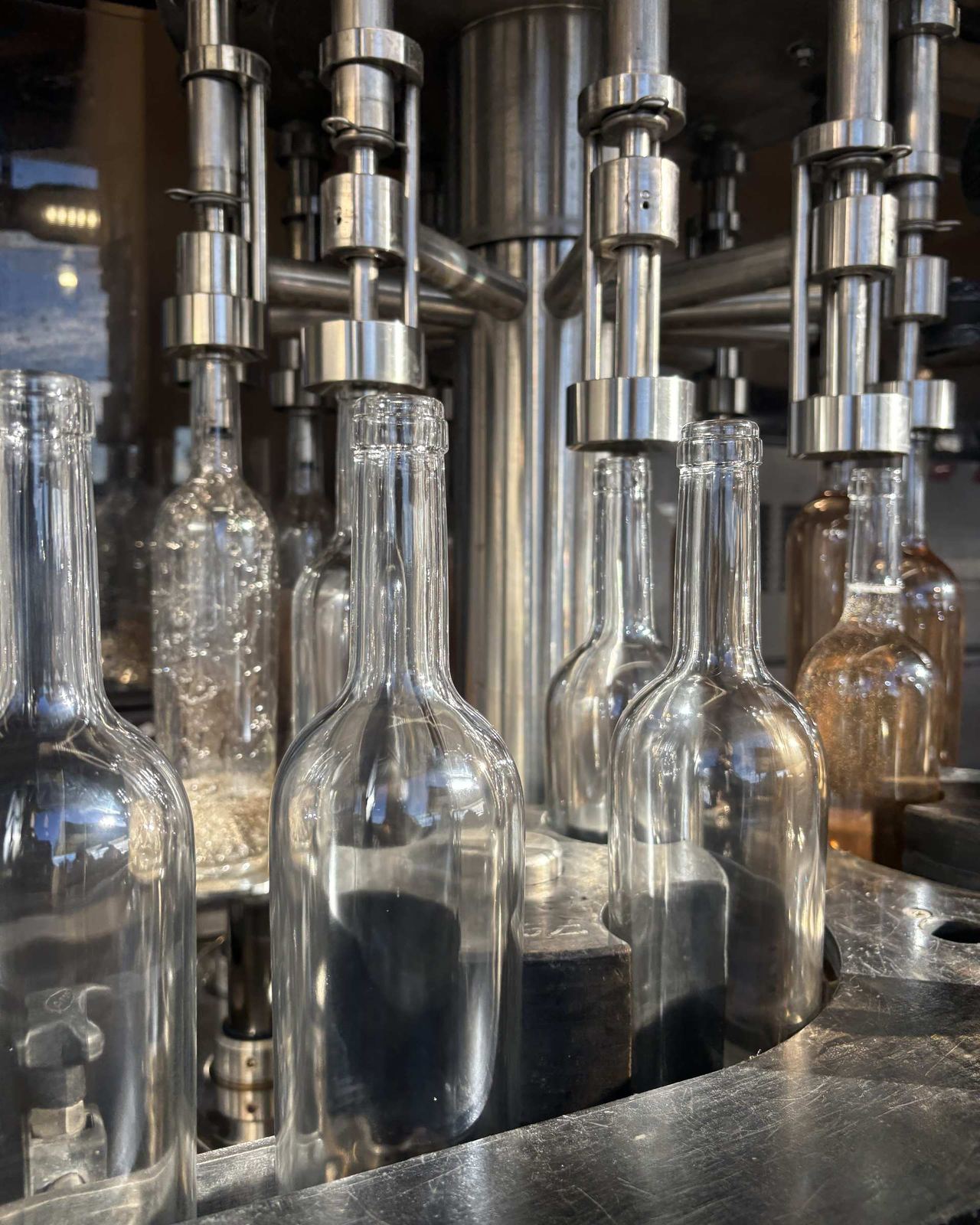
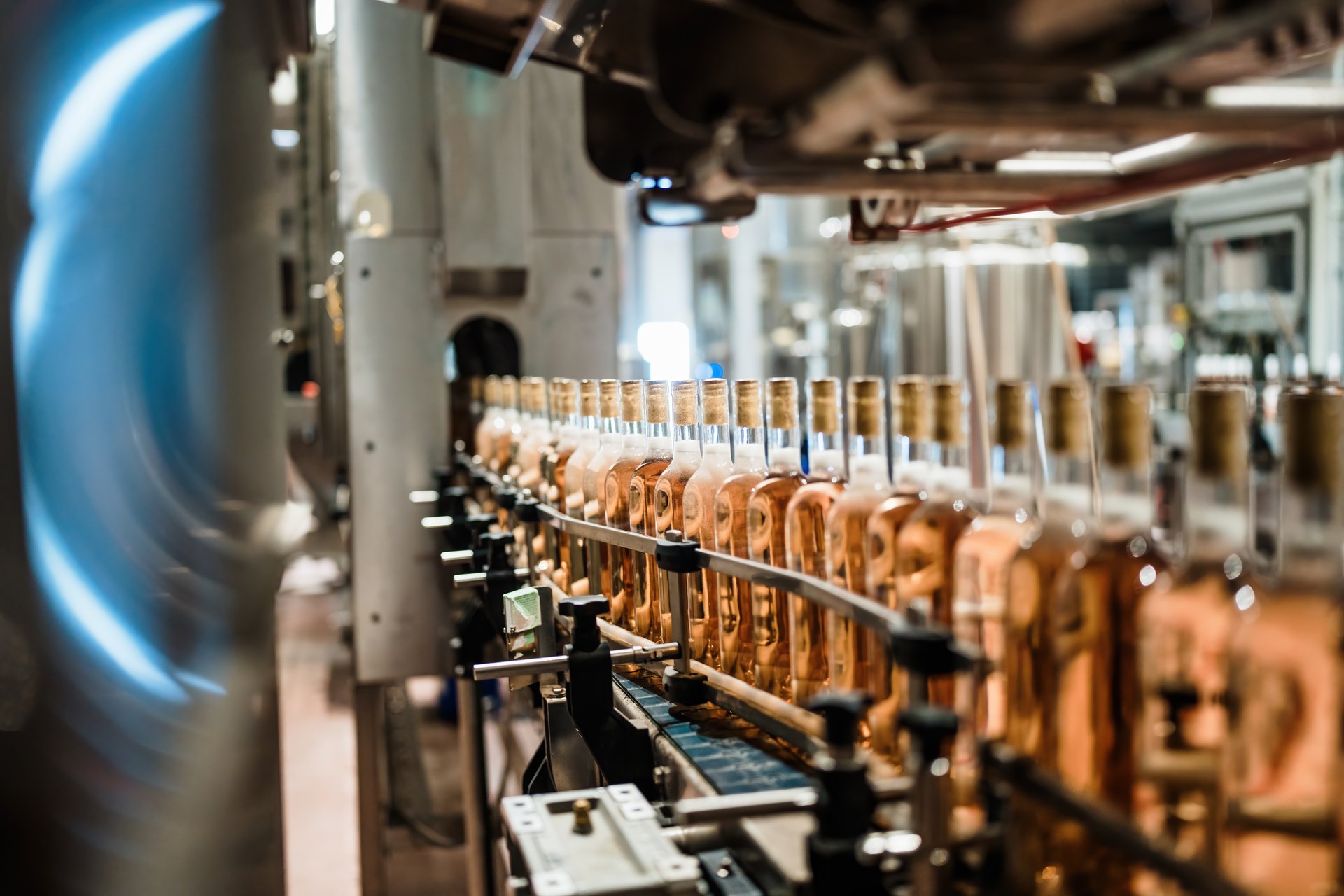
Beneath the walkway, the wine leaves its tank. Bottles are rinsed, flushed with nitrogen to drive out the oxygen, then filled from the bottom. Then come corking, dressing the bottle, starting with its labels, and packing into cases, up to 12,000 bottles an hour across the two bottling lines. That day, the wine comes from an estate in Provence. Which one? You will find out when you book.
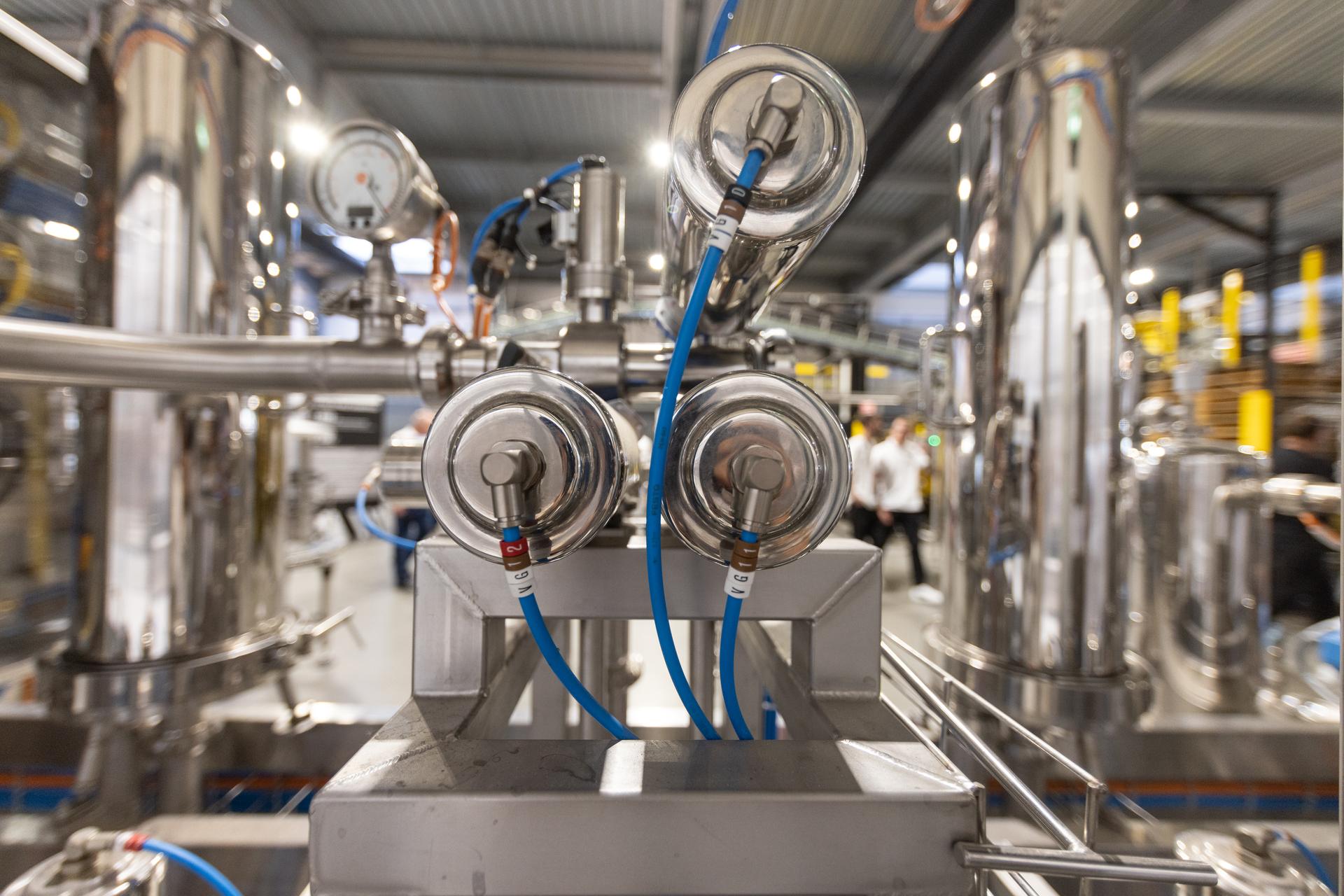
During ageing, wine receives oxygen in controlled doses. At bottling, too much dissolved oxygen would speed up its evolution. Your guide shows you how it is measured, and how nitrogen protects the wine until the cork goes in. Three automatic checks follow: fill level, labelling, case weight. Nothing leaves the bottling line without passing them.
Every bottle receives a laser engraving. Months later, that marking traces its batch and its wine's journey, from the delivery tanker to the case. You will never look at a bottle in quite the same way.
Solar panels, recycled water, energy recovery, reused materials, a green roof: these choices are not on display. You discover them from the walkway, if you know where to look.
The visit ends with a conversation with your guide: the moment to ask the question left hanging on the walkway. On some days, the winegrower is there. They introduce their wine and invite you to taste it, from its colour to its finish. Each date shows whether they will be there. Visitors under 18 do not take part in the tasting.
The rules of a working site, then the last step.
Step 1 of 7
The rules of a working site, then the last step.
A bottling centre designed, from the plans onward, to be watched.
Rinsing, nitrogen flushing, filling, corking: up to 12,000 bottles an hour.
Dissolved oxygen, nitrogen, three automatic checks.
A laser engraving, and a bottle's whole story.
Sun, water, reuse, green roof: to spot along the way.
Your questions, and on some days a tasting with the winegrower. No tasting for minors.
Planning your visit
The tour takes place in a working production facility, on an elevated walkway. It is not open to anyone under 16 years, without exception, and the route is not wheelchair accessible. No pushchairs, no animals.Raised walkway, working site. Not open to anyone under 16 years, no exceptions. Not accessible to people with reduced mobility. No pushchairs, no animals.
Not open to anyone under 16 years. Route not wheelchair accessible.
People aged 16 and 17 are admitted and do not taste.
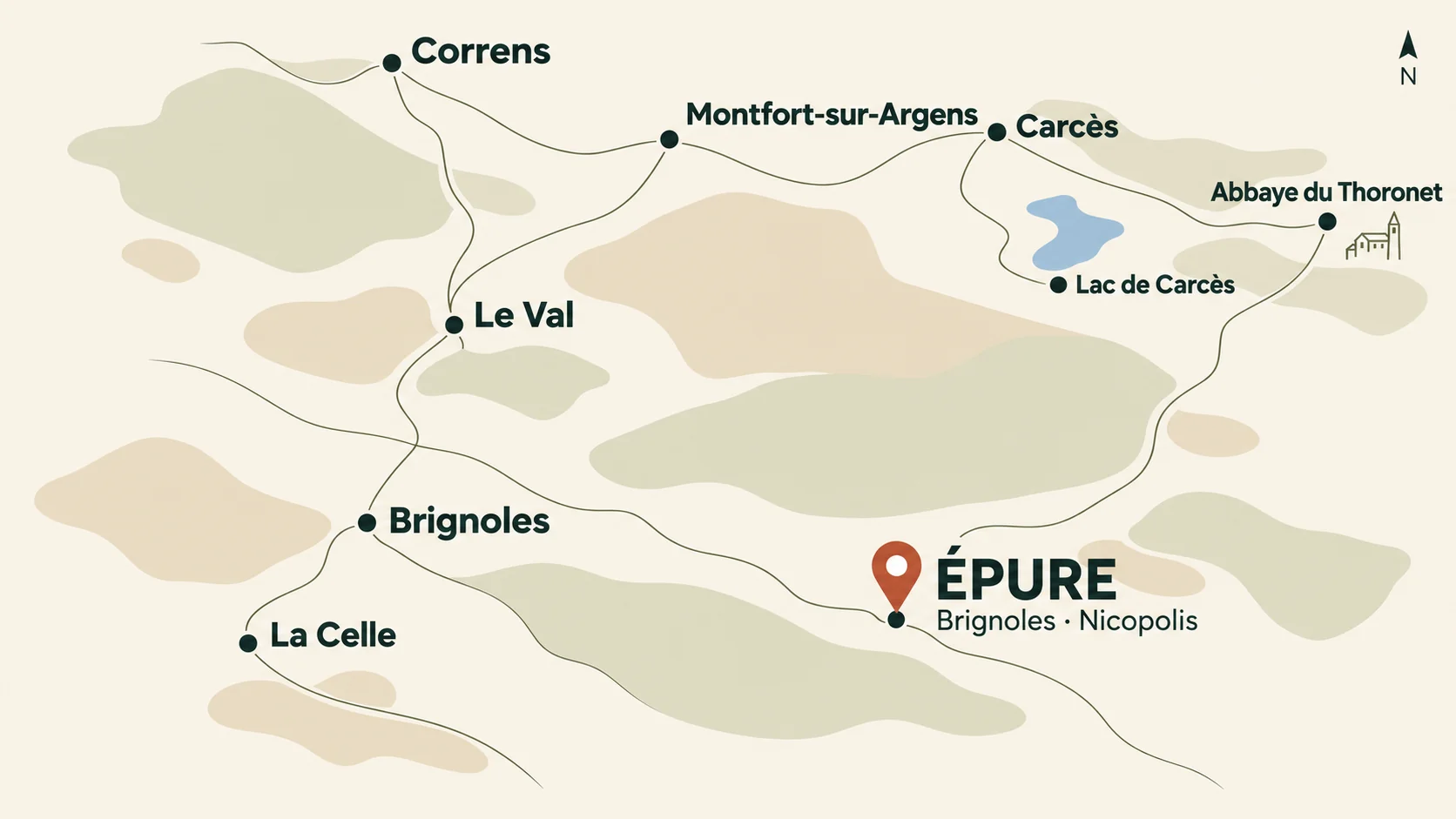
298 rue de l'Innovation, ZAC Nicopolis, 83170 Brignoles
Free parking on site
Reception 8h-12h / 14h-17h
You are entering a working production site. Tying back long hair and leaving dangling jewellery aside help keep foreign bodies out of the production area and avoid getting caught. These precautions protect both the products and the people.
The site is IFS Food version 8 certified. IFS Food is an international standard that assesses food safety and quality, and how well production processes are controlled, through independent audits.
Rain or 35 degrees, the tour takes place indoors. What changes is everything around it, and we tell you before you book.
A discovery awaits you
Question 1 of 7
What is filtration in winemaking actually trying to achieve?
Question written with AI from a verified fact · FI1
The Épure shop
Take something home from the centre.
Collection on site
Six wine glasses, marked Épure.
€13.99
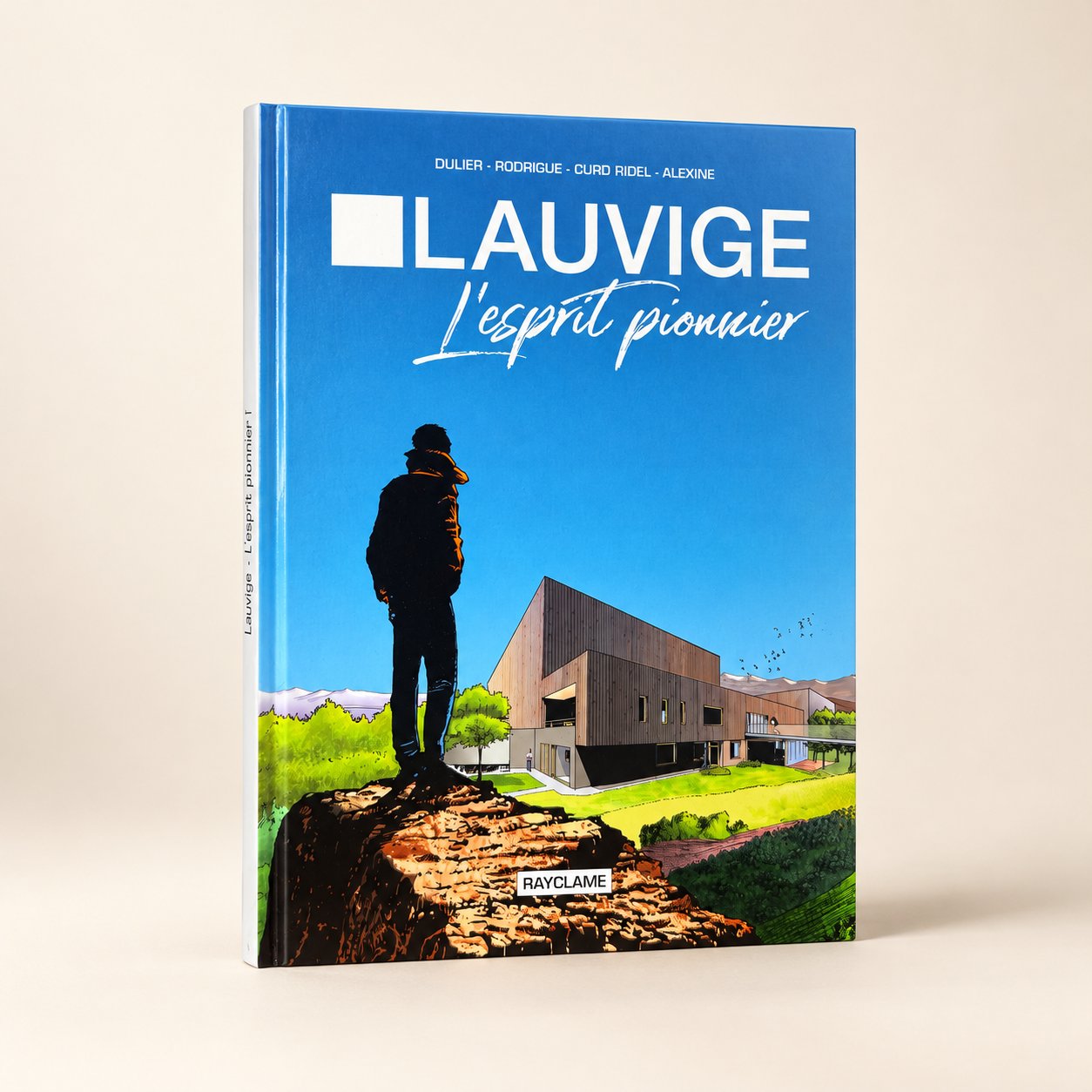
The story of Groupe Lauvige.
€14.70
€13.99
Product 1 of 2 : Set of six glasses
Swipe to discover.
Behind the scenes at Épure
What happens when wine is bottled, told from the floor.
Before or after your visit
What happens between the tank and the bottle? An episode exploring the choices that preserve wine and the philosophy behind the Épure bottling centre.What happens between tank and bottle.
Listen on your way, or keep exploring after your visit.
Conversation generated by AI from the centre's technical documents. Synthetic voices.
The episode is in French. The text below covers its content, without being word for word.
Interviewer : Today we are looking at how the wine sector is changing, through the Épure project. To start with, remind us of the Lauvige Group's history and what led to this project.
Expert : Founded in 1997 with Lauvige Emballage in the Var, the group grew with Lauvige Conditionnement, then expanded into the Rhône Valley with LE3T and Lauvige Purification. Today we have 70 permanent staff, work with 400 partner estates, and have passed 115 million bottles filled since we started.
Interviewer : What is the purpose of the new bottling plant in Brignoles?
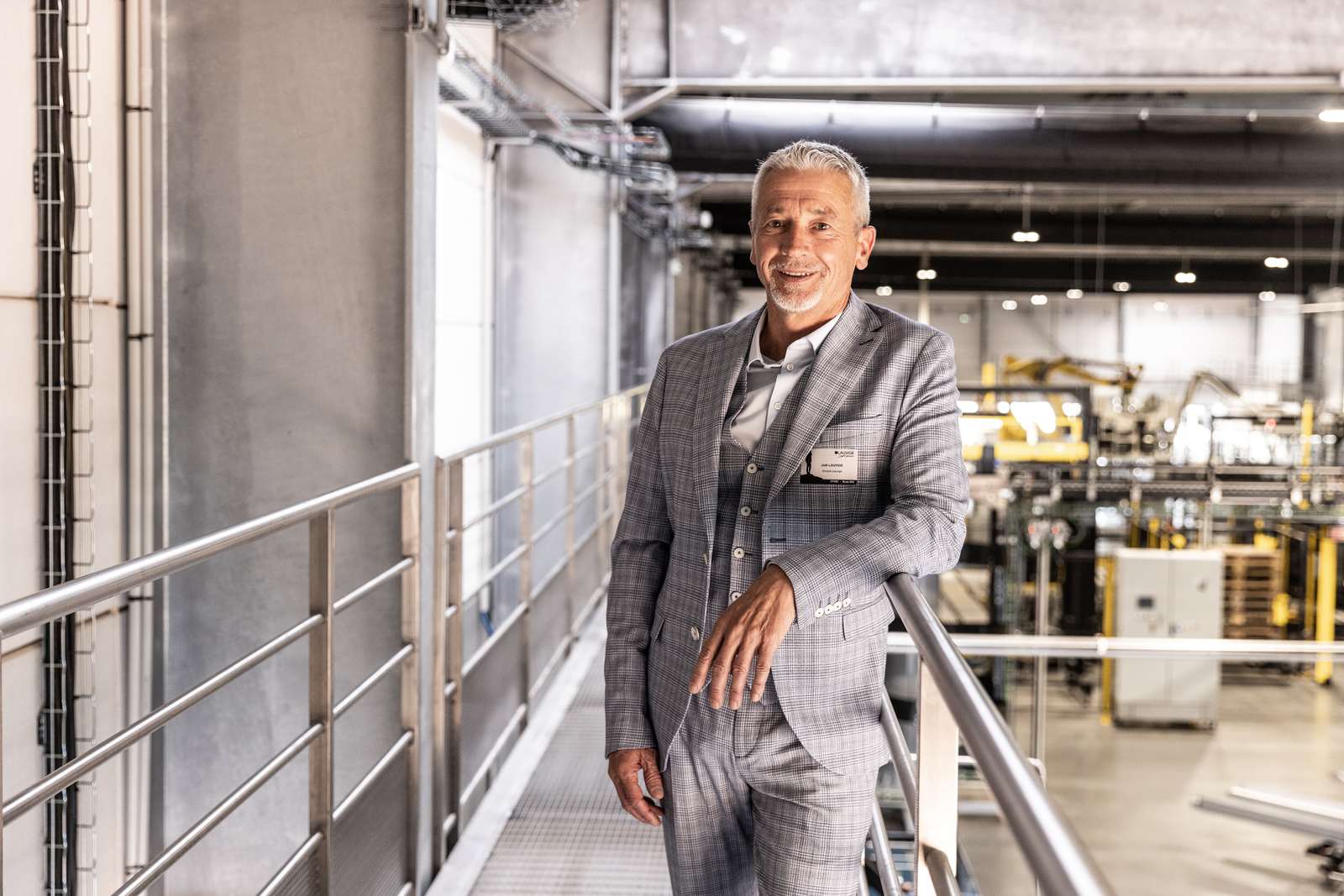
Expert : As our chief executive Joël Lauvige puts it, the idea is to invent tomorrow's factory, to produce without destroying and to hand on a sound tool to the next generation. Épure is a 21 million euro investment in an industrial site of 8,500 sqm, with a 7,700 sqm footprint on 1.6 hectares. It lets us triple our capacity, to fill 8 to 10 million bottles a year.
Interviewer : Let us look at what this means for the winemaker. How is the wine protected during bottling?
Expert : Épure's first purpose is to deliver a better protected wine. We keep contact with water, oxygen and sanitising products to a strict minimum throughout the process.
Interviewer : You use a particular filtration technology, Magnum Flow. What makes it new?
Expert : Magnum Flow is a filtration method that comes from Italian Prosecco, and the Lauvige Group is the only company using it in France. Compared with standard tangential filtration, it treats the product far more gently, preserves the aromas, reduces wine losses and uses less energy.
Interviewer : How are the tanks and batch preparation organised?
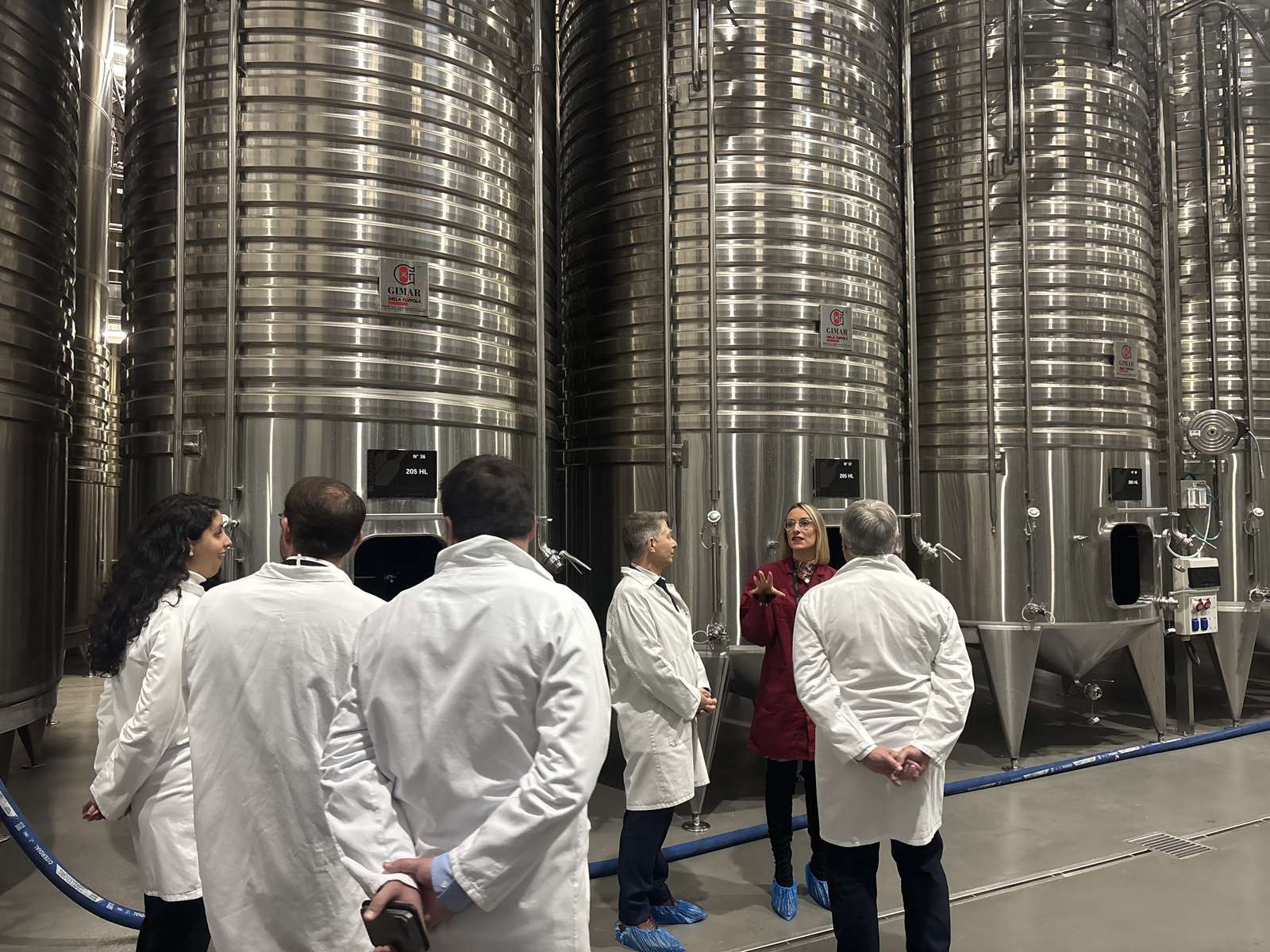
Expert : The tank hall covers 1,115 sqm and holds 101 stainless steel tanks, for a total capacity of 25,000 hectolitres. It handles bulk tanker intake, storage, blending, cold tartrate stabilisation with 15 tanks for 3,000 hectolitres, and preparation before filling.
Interviewer : What about dry goods storage and hygiene in the filling area?
Expert : We have a closed 1,400 sqm warehouse for empty bottles and cardboard, to avoid temperature swings. To keep the filling area clean, the two automatic depalletisers are kept apart, in a 480 sqm outer gallery.
Interviewer : And the capacity of the filling area itself?
Expert : The filling area is 1,238 sqm and holds two automated lines of 6,000 bottles an hour each, 12,000 in total. It includes automatic case packers, dividers and sealers, a dynamic weigher, a palletising robot and an automatic waxing machine running at 1,400 bottles an hour.
Interviewer : How do you handle finished goods and logistics?
Expert : Our customs approved logistics warehouse covers 1,796 sqm and offers 2,000 pallet positions, stacked high. Winemakers can follow their goods and stock in real time, through a secure web portal.
Interviewer : And for winemakers who want bottling done at the estate?
Expert : We run a fleet of six mobile units, including the new sealed LC5 truck. At 3,000 bottles an hour, it carries automatic filtration, nitrogen blanketing, rinsing, vacuum corking, labelling, laser batch marking and pallet wrapping, all inside the vehicle.
Interviewer : Let us turn to the person who buys the bottle. What do they gain from the Épure method?
Expert : Above all, transparency and trust. Épure was designed with a 200 metre visitor walkway, which lets the public and our customers watch bottling as it happens and understand the whole path, from bulk to bottle. The site is meant to take its place in industrial tourism.
Interviewer : What environmental commitments are actually in place on site?
Expert : The plant follows a whole environmental strategy. For energy, three solar arrays on the roof and over the car park, and filling line motors that save 25 to 45 per cent of energy. For insulation, wood fibre, cellulose wadding and green roofs. For water, collection basins for rainwater and process water, reuse of heat from the air compressors to pre heat water, and a pigging system to cut rinsing water. For wildlife, a 600 sqm vegetable garden, a pond kept for frogs, and grounds planted with local species that need very little watering.
Interviewer : In short, Épure brings together precision for the winemaker and environmental responsibility for the drinker. Thank you for these explanations.
Expert : Thank you.
You have seen it all.
Tuesday 15 December, Wednesday 16 December, Thursday 17 December, Friday 18 December. €8.50 per person, about one hour, from age 16.
Leave your email address and we will write when the next dates open. Nothing else.