
Behind the scenes at Épure
What happens when wine is bottled, told from the floor.
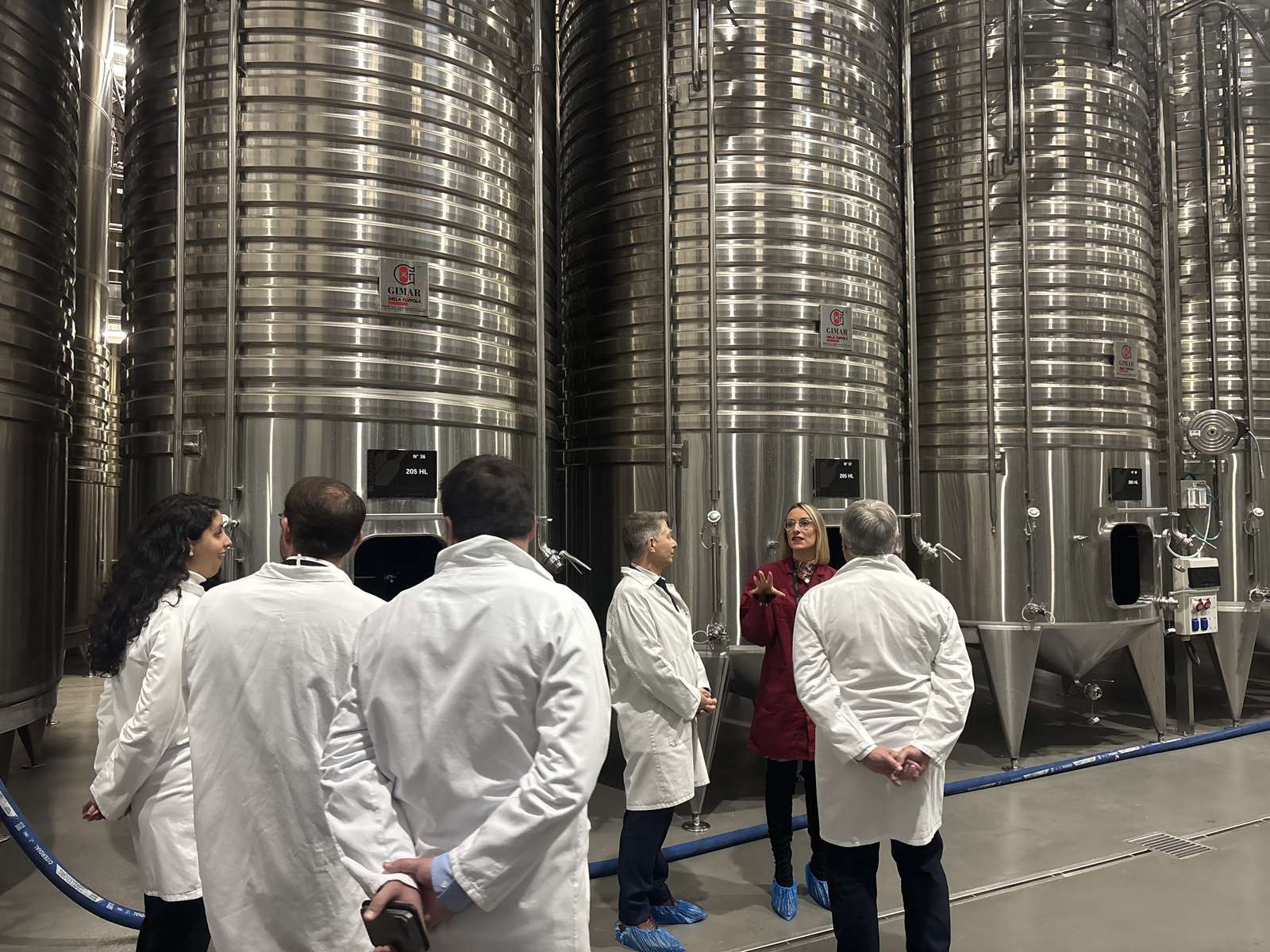
A clear wine can become cloudy later
A bottle that looks perfect as it leaves the bottling line can become cloudy, ferment again or develop sediment several months later. Clarity alone does not guarantee that it will keep well.
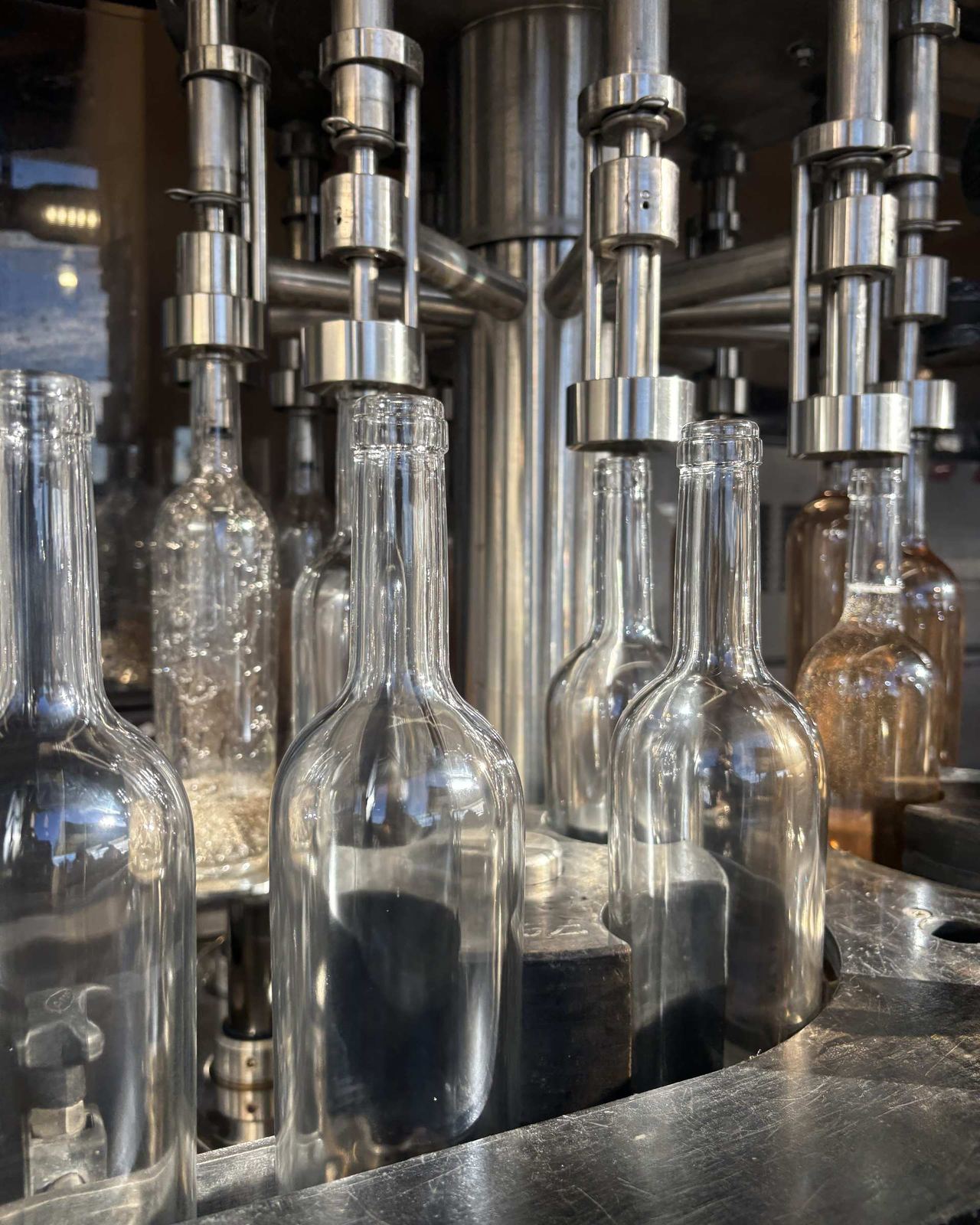
Bottling also helps preserve a wine’s freshness.
Dissolved carbon dioxide determines the sensation of freshness, fullness on the palate and liveliness of wine. Preserving it during bottling is therefore part of respecting the wine already made.
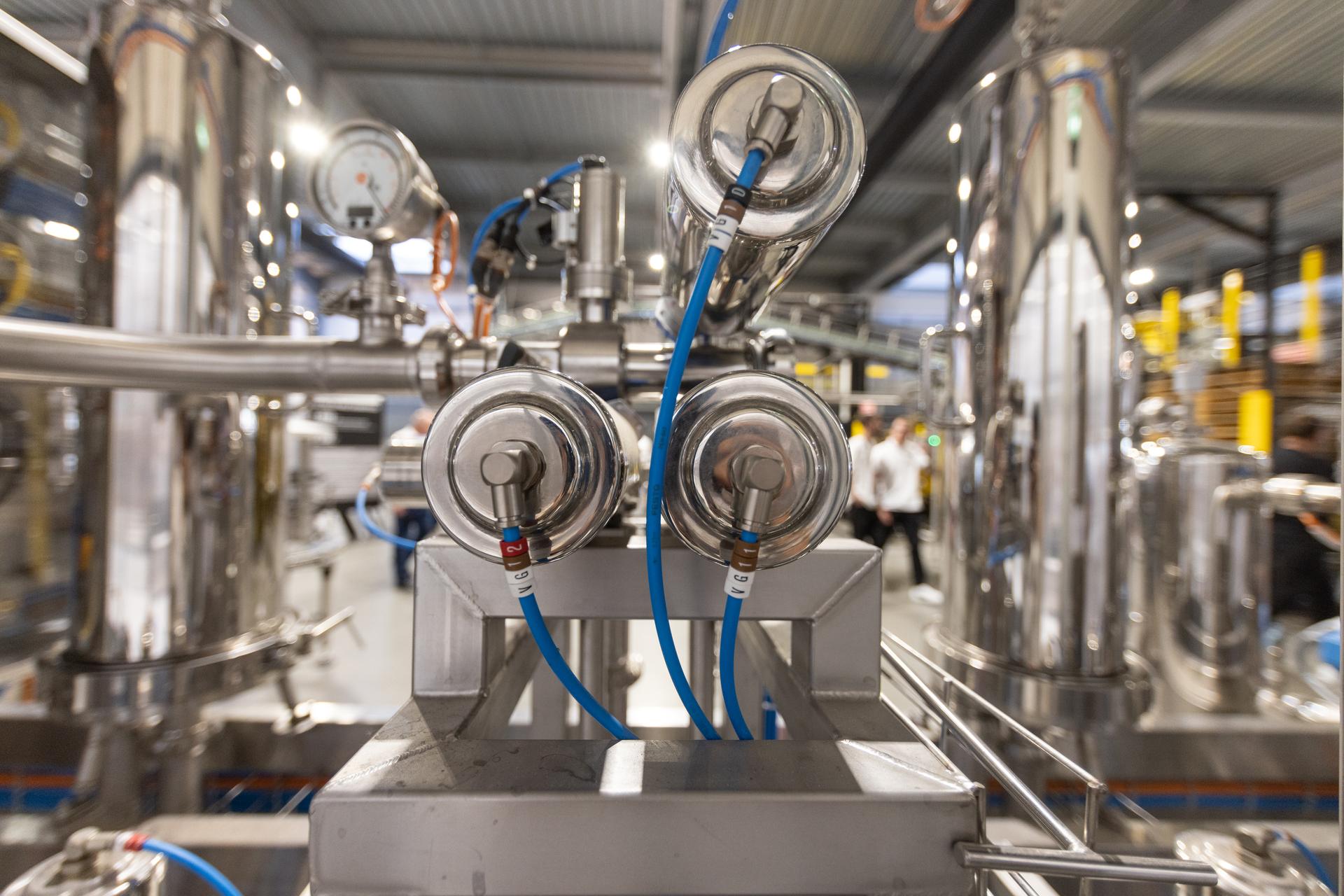
Filtration proceeds in stages.
Before bottling, women and men look after a wine that has already been made. Filtration calls for a clear progression, from the coarsest stage to the finest, while keeping what needs preserving in view.
Oxygen matters at bottling.
Women and men oversee the wine’s passage into bottles. Their attention also extends to what cannot be seen: oxygen and its consequences for the wine’s protection.
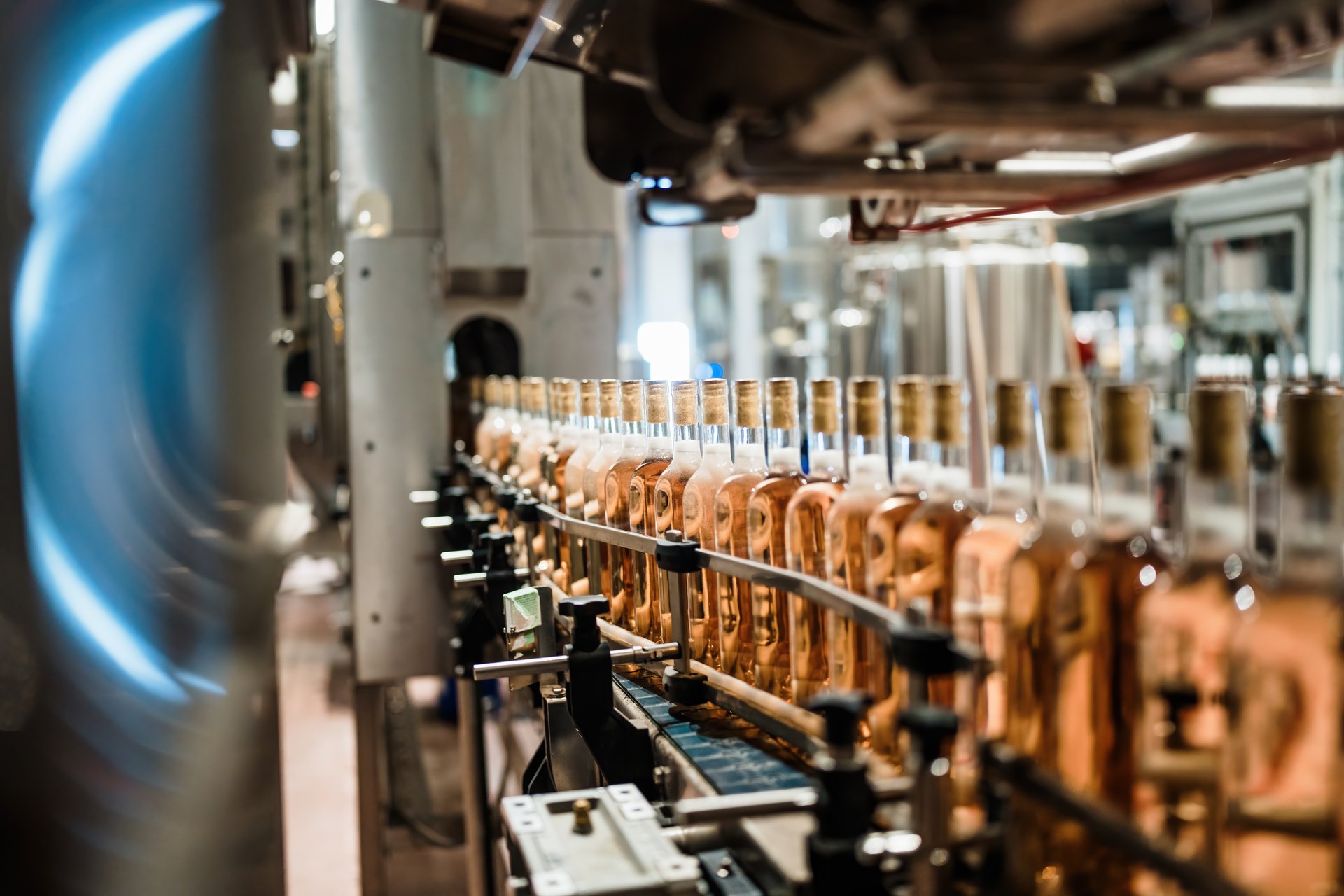
Excess oxygen alters wine.
Preserving wine during bottling requires attention. For whites and rosés, too much oxygen can change their colour and cause them to lose their fresh, fruity aromas.